Indoor Air Quality Testing in Cutler Bay, Florida: Breathe Easier
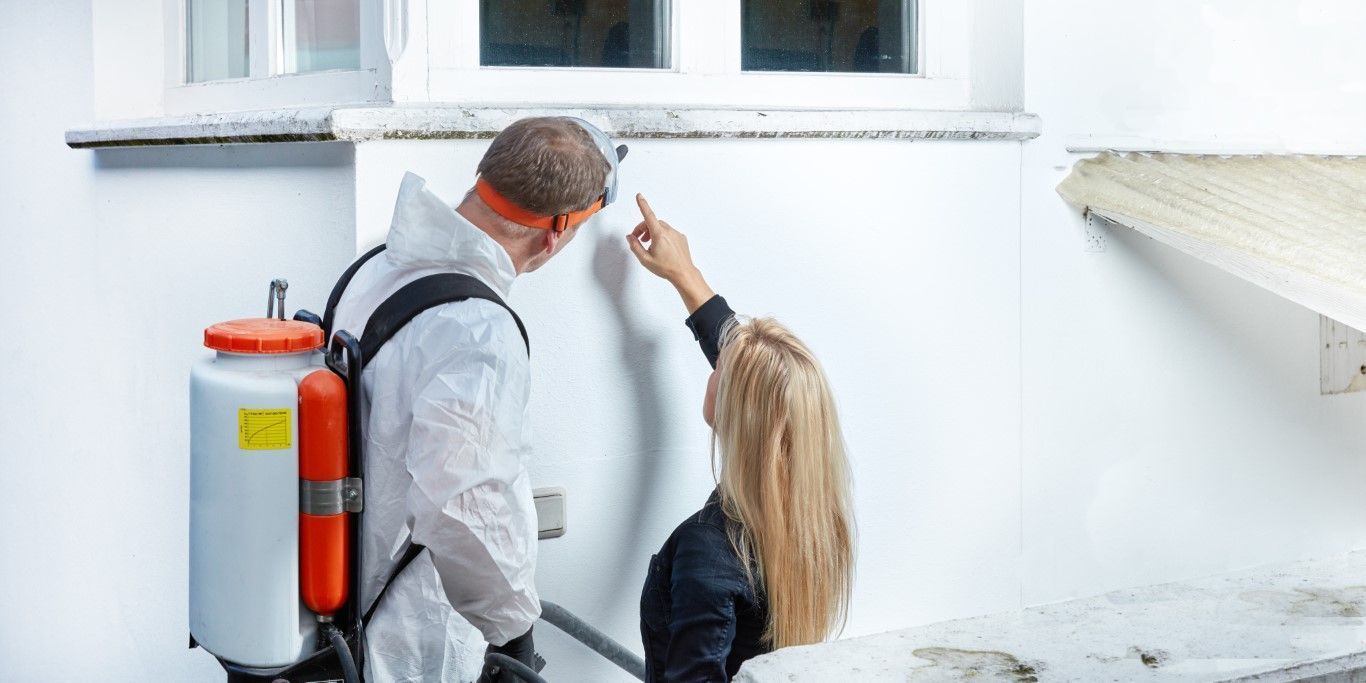

Are you experiencing unexplained allergies, headaches, or a constant stuffy nose while at home? The air you breathe indoors could be the culprit. Here in humid Cutler Bay, Florida, hidden pollutants, allergens, and mold spores can significantly impact your health and comfort. Our indoor air quality testing services in Cutler Bay, Florida provides clear answers, pinpointing what's in your air so you can take action to make your home a healthier sanctuary.
What We Cover:
- Why Air Quality Testing is Essential
- Our Comprehensive Testing Process
- Common Indoor Air Pollutants
- Signs You Might Need Testing
- Steps to Improve Your Air Quality
Why Choose Us for Your Mold Inspection
Your indoor air quality directly affects your well-being, and we take that seriously. Our team combines specialized expertise in mold testing with a deep understanding of general indoor air pollutants. We don't just test; we investigate, looking for connections between moisture, mold, and other airborne irritants. Serving the community, we're familiar with the unique challenges of our South Florida climate, from pollen to persistent humidity, ensuring your air quality assessment is comprehensive and relevant to your local environment, whether you're in Palmetto Bay or near the Charles Deering Estate.
Our Process for Indoor Air Quality Testing
Our indoor air quality testing process is designed to be thorough and precise. We begin by discussing your concerns and any symptoms you're experiencing. Then, our technicians strategically place specialized equipment to collect air samples over a period. These samples are then sent to an independent, accredited laboratory for analysis, which identifies specific airborne contaminants like mold spores, allergens, VOCs (Volatile Organic Compounds), and other particulates. We’ll then provide you with a clear, easy-to-understand report and actionable recommendations.
What Pollutants Can Affect Your Indoor Air?
Your home's air can contain more than just dust. A range of invisible pollutants can impact your health and comfort.
- Mold Spores: Released by active mold growth, causing allergic reactions and respiratory issues.
- Allergens: Pet dander, pollen (especially with Florida's long allergy season), and dust mites.
- Volatile Organic Compounds (VOCs): Emitted from paints, cleaning products, furniture, and building materials.
- Carbon Monoxide: A dangerous, odorless gas from faulty combustion appliances.
- Formaldehyde: Found in pressed-wood products, insulation, and some fabrics.
- Pesticides: Residues brought in from outdoors or applied inside.
- Radon: A naturally occurring radioactive gas that can seep into homes.
Signs You Need Air Quality Testing
Your body and home often give clues that your indoor air quality might be compromised. If you notice a persistent musty smell, especially after rain, or if allergies and respiratory symptoms (like coughing, sneezing, or shortness of breath) worsen indoors, it's a strong indicator. Other signs include unexplained fatigue, headaches, frequent colds, or if you've recently completed renovations or experienced water damage. Don't ignore these signals; a test can confirm what's affecting your family's health.
The Health Impacts of Poor Air Quality
Breathing poor-quality air day in and day out can have significant consequences. Short-term effects often include eye, nose, and throat irritation, headaches, dizziness, and fatigue. For those with pre-existing conditions like asthma or allergies, symptoms can be severely exacerbated. Long-term exposure to certain pollutants, like mold mycotoxins or VOCs, has been linked to more serious health problems, including respiratory diseases, heart conditions, and even some cancers. Your health is too important to leave to chance.
Improving Your Home's Air Quality
Once we identify the specific pollutants in your home, we'll provide tailored recommendations for improving your indoor air quality. This might involve addressing moisture sources to prevent mold, improving ventilation, selecting low-VOC products, using air purifiers, or professional duct cleaning. Even simple changes, like regular cleaning with natural products and managing humidity levels, can make a big difference, especially in areas along the C-100 Canal where humidity can be high.
Breathe freely again. Call us today for Fast Response Indoor Air Quality Testing!